
What is Alopecia Areata?
WHAT IS ALOPECIA AREATA?
Understanding the Causes of Alopecia Areata
Alopecia Areata is more than just hair loss; it's a complex signal from within your body. To effectively address it, especially through holistic means, understanding its root causes is the first crucial step.
What Exactly is Alopecia Areata?
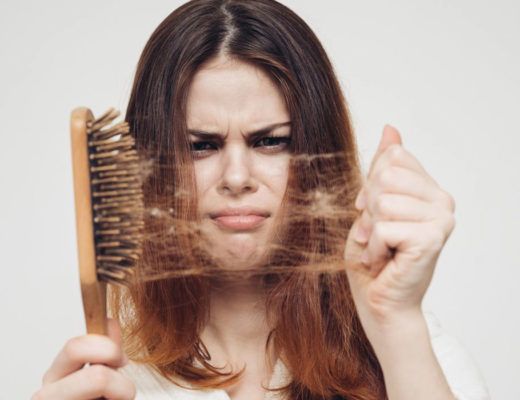
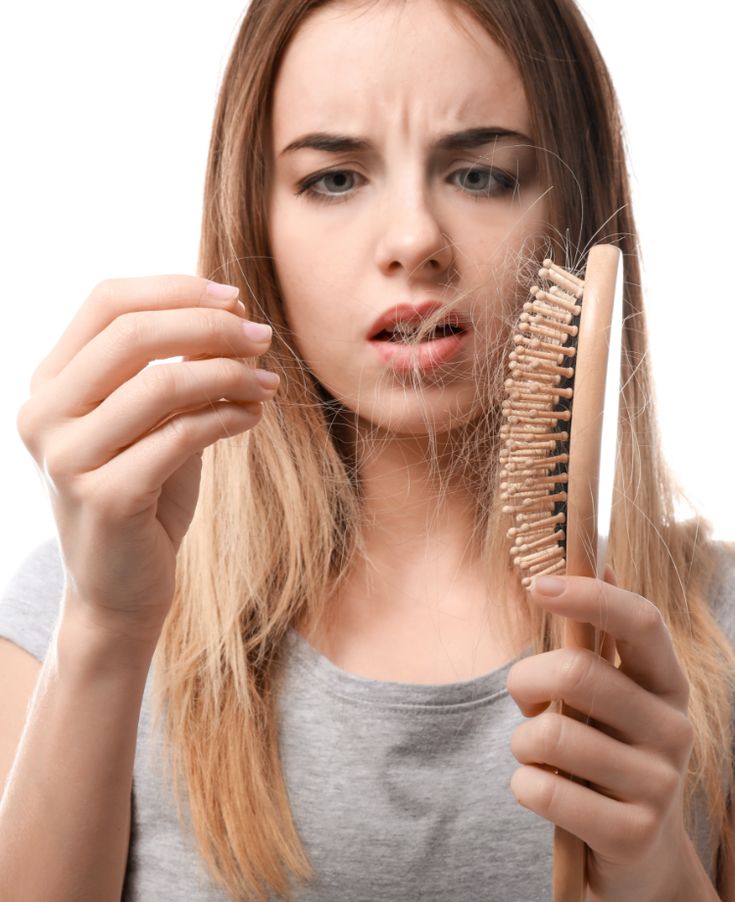
Alopecia Areata (pronounced al-o-PEE-she-uh ar-ee-AH-tuh) is classified as an autoimmune disorder. This means your body's own immune system, which is designed to protect you from viruses and bacteria, mistakenly identifies your hair follicles as foreign threats. This attack disrupts the natural hair growth cycle, leading to the characteristic sudden and often patchy hair loss.
The Primary Cause: An Autoimmune Misfire
While the exact trigger for this immune system malfunction is still a subject of research, scientists agree on the core mechanism:
- Immune System Attack :Specialized immune cells (primarily T-lymphocytes) surround and attack healthy hair follicle cells.
- Growth Cycle Disruption :This inflammation pushes the affected follicles into a premature "resting phase" (telogen) or severely stunts their growth phase (anagen).
- The Result :Hair production halts, and hair falls out, often in well-defined patches. Importantly, the follicles are not destroyed but are in a state of suspended animation, which is why regrowth is always a possibility.
Why This Understanding Matters for Herbal Treatment
Conventional treatments often focus on suppressing the immune response locally (e.g., steroid injections). Herbal and natural treatment philosophy takes a different, more comprehensive path:
It aims to gently modulate the immune system, reduce underlying systemic inflammation, correct nutritional deficiencies, and support overall bodily balance (homeostasis). By addressing these potential root contributors—like calming an overactive immune response, healing the gut, and nourishing the body with specific herbs and nutrients—we create an internal environment where hair follicles are no longer under attack and can resume their natural function.
Contributing Factors & Triggers
The autoimmune response doesn't occur in a vacuum. It is believed to be sparked or influenced by a combination of factors:
- Genetics :You are at a higher risk if you have a close family member with Alopecia Areata or other autoimmune conditions (like thyroid disease, vitiligo, or rheumatoid arthritis). Specific genes associated with immune system regulation are thought to play a key role.
- Environmental Triggers :For those genetically predisposed, certain factors may act as a "trigger" that initiates the first episode or a new flare-up. These can include: Severe or prolonged emotional or physical stress, Viral or bacterial infections, Hormonal changes, Physical trauma.
- Underlying Imbalances :From a holistic and herbal medicine perspective, the autoimmune attack is often seen as a symptom of deeper systemic imbalances. These may involve: Chronic Inflammation throughout the body, Digestive & Gut Health Issues, Hormonal Imbalances, Nutritional Deficiencies
Frequently Asked Questions
No, it is not contagious at all. Alopecia Areata is an autoimmune condition that originates from a person's own immune system. You cannot catch it from or spread it to another person through any form of contact.
Yes, hair regrowth is very possible. Since the hair follicles are usually not destroyed but remain dormant, hair can regrow on its own, even after many years. However, the pattern is unpredictable—it may grow back fully, partially, or fall out again. Treatments aim to encourage and support this natural regrowth process.
Alopecia Areata is an autoimmune disease that causes sudden, patchy hair loss and can occur at any age. Common baldness, known as male or female pattern hair loss, is genetic and hormonal, leading to gradual thinning in specific patterns over time. The causes and progression of the two conditions are completely different.
Stress does not directly cause Alopecia Areata, but it can act as a trigger for flare-ups in people who are already genetically predisposed to the condition. Managing stress is an important part of a holistic approach to reducing episodes and supporting overall well-being.
Many people find herbal and natural approaches helpful as part of a comprehensive care plan. These treatments focus on balancing the immune system, reducing internal inflammation, and nourishing the body to create a healthier environment for hair follicles. It’s important to approach herbal care under guidance, as results can vary and it should complement professional medical advice.





What our patient say
Real experiences from people who transformed their hair health with our herbal treatments
Beard Patches Almost Vanished in 5 Months
I had two big bald patches in my beard that suddenly appeared during a stressful period of my life. I tried oils and home remedies, but nothing worked. Then I contacted Alopecia Herbal Treatment Centre at +91 9911809998. Their herbal treatment started showing results in the first few weeks. By the 5th month, the patches were almost fully covered with natural hair. I am extremely satisfied and thankful.
Priya Malhotra
Alopecia Areata Patient
Regained My Confidence and My Beard
For almost a year, I was hiding my beard patches with makeup or trimming tricks. It affected my confidence deeply. After starting herbal treatment here, I noticed gradual but steady improvement. Today my beard looks even and natural again. The best part was their honest guidance and no false promises.
Rahul Sharma
Androgenic Alopecia
Natural Solution Worked Better Than Any Chemical Product
I had tried chemical lotions and steroid creams earlier, but they only gave temporary relief. Alopecia Herbal Treatment Centre gave me a herbal plan that treated the root cause. Not only did my beard grow back, but my overall hair health improved. Highly recommended for anyone dealing with Alopecia Areata Barbae.
Sneha Desai
Post-Pregnancy Hair Fall
Professional Team and Genuine Treatment
The team here is very knowledgeable and supportive. They explained everything clearly and guided me through diet and lifestyle corrections. Within months, I could see new growth filling the bald areas. Their natural approach is safe and truly effective. I’m grateful for the results I’ve achieved.
Amit Patel
Diffuse Hair Thinning
I suffered from scalp psoriasis which caused severe dandruff and hair loss. The herbal scalp detox program not only cleared my psoriasis but also restored my hair health. The team's knowledge of both conditions was impressive
Kavita Singh
Scalp Psoriasis & Hair Loss
High-stress job led to sudden excessive hair fall. The holistic approach here addressed both my stress and hair loss. The lifestyle counseling and herbal supplements worked wonders. My hair is thicker and healthier than it's been in years!
Soniya Reddy
Stress-Related Hair Loss